Clinical performance
How preparation, experience and support help clinicians make decisions and act under pressure.

Performance by Design
I’m Paul Swinton, a flight paramedic who designs systems that help people perform under pressure.
Where the work starts
People find ways to make things work. They adapt, fill the gaps and keep going. The job gets done, but the problem is still there next time.
I’ve spent more than 20 years in emergency care and aeromedical retrieval, seeing that resourcefulness first-hand. It leaves me asking: could better systems carry more of the load?
That question runs through my work in clinical practice, human factors and design. Whether it’s equipment, how people are supported or how a service is organised, I question what has become accepted, develop alternatives and put them to the test.
Where I focus
I look at the gap between how a system is designed to work and what the job demands in practice.
How preparation, experience and support help clinicians make decisions and act under pressure.
Bringing workflows, information, equipment and governance together around how the work is actually done.
Understanding how people think, act and work together, then designing around their capabilities and the demands of the job.
Case study
A team can have everything it needs and still have too much to organise at the patient’s side.

Applied design
Equipment organised around the preparation sequence, visible and held in place.
Airway preparation involves finding, checking and arranging equipment while other clinical work is already under way. I co-invented SCRAM™ to organise equipment around the preparation sequence, with items visible and held in place.
The layout supports preparation before the equipment is needed. It makes omissions easier to notice and gives the team a shared structure for checking readiness. Less is left to find, arrange and keep together under pressure.
The design question was how much of that work could be built into the system.
SCRAM™ is now used in hospital and prehospital care in the UK and internationally.
Disclosure: I have a commercial interest in SCRAM™.
Work together
Consultancy in human factors, equipment and systems design. Speaking for conferences and events.
SCRAM™ evidence
A randomised crossover simulation compared conventional preparation with airway equipment organised in the SCRAM™ bag and drugs prepared in advance. The combined approach shortened procedural time, reduced errors and lowered the assistant’s self-reported cognitive load. It did not isolate the bag’s contribution.
A separate randomised simulation compared the SCRAM™ bag with a standard resuscitation trolley. Participants using SCRAM™ completed equipment preparation faster, made fewer preparation errors and reported lower task difficulty.
The Association of Anaesthetists’ 2026 prehospital anaesthesia guidelines cite the 2018 study in support of standardised preparation. SCRAM™ also features in the sixth edition of The Walls Manual of Emergency Airway Management.
SCRAM™ is used in hospital and prehospital care in the UK and internationally, including the United States, Australia, New Zealand, the United Arab Emirates, South Africa and elsewhere in Europe.
Published examples include hospital-wide adoption at the Royal Hospital for Children, Glasgow, and the use of Paediatric SCRAM™ alongside training for rural clinical teams in NHS Highland.
Both studies measured performance in simulation. Citation in guidance is not an endorsement of SCRAM™.
Wider work
Who gets specialist help. How a clinician’s progress is understood. What someone needs before taking on greater responsibility. These are also questions of systems design.
The decision to send specialist help often begins with someone who cannot see the patient.
I co-authored research examining the introduction of a trauma desk staffed by critical care clinicians within ambulance control. We looked at whether bringing that expertise into the dispatch process changed the identification of major trauma patients.
The study found higher dispatch sensitivity for major trauma after the desk was introduced. It was an observational finding, but it showed why the organisation of the response deserves attention alongside the care delivered at the scene.
Read about the trauma-desk study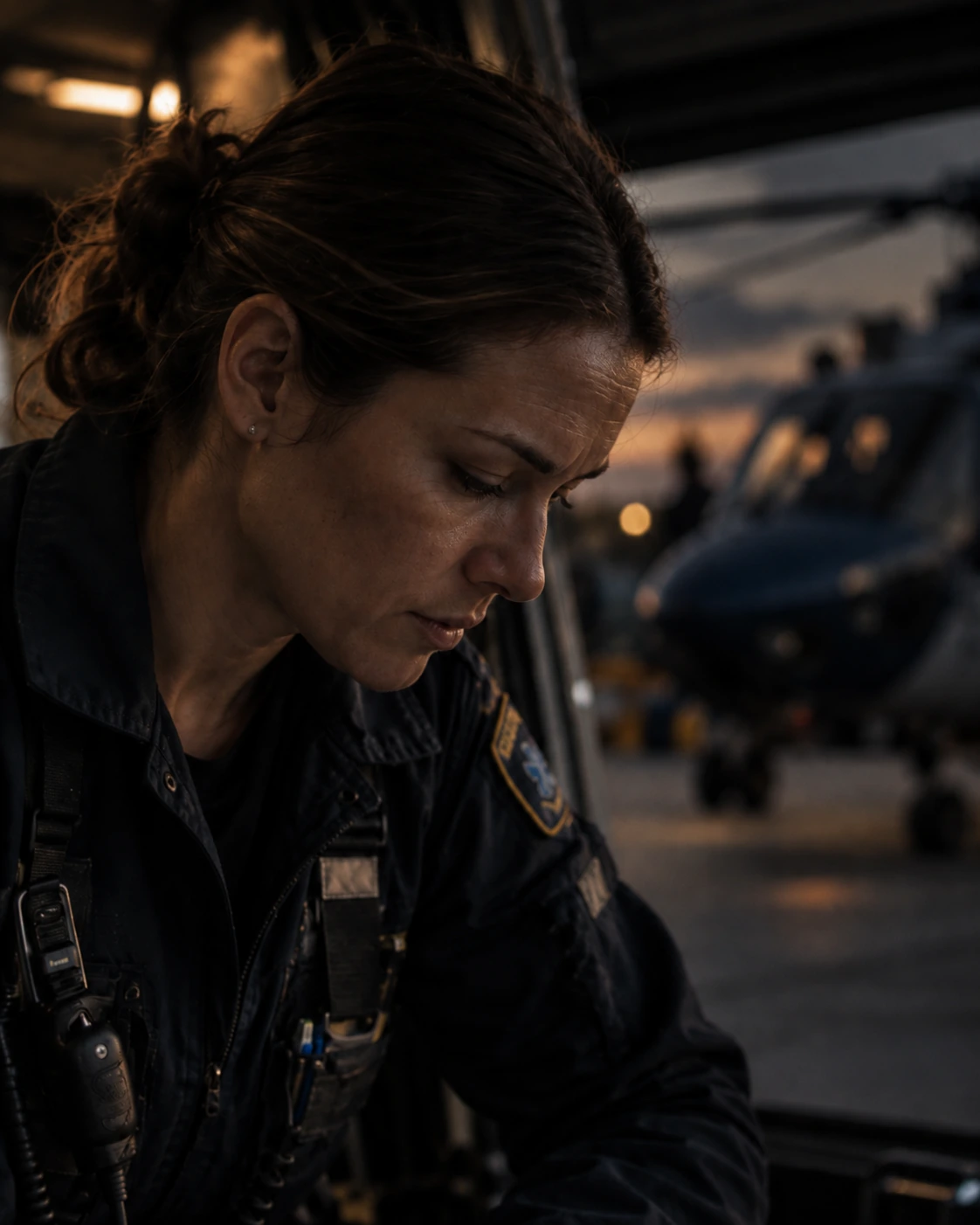
One difficult shift can overshadow weeks of rebuilding.
I developed a structured approach to supervision and reflection, now used in supported clinical practice. It brings exposure, the demands of the work and the support available into the conversation about progress, so a single event can be understood within the wider pattern.
The purpose is to give clinicians and supervisors a clearer basis for discussing progress, identifying gaps and planning further support.
Explore the supported-practice approachTaking on greater responsibility requires a shared understanding of what someone is ready to do and where support is still needed.
I helped develop a competency framework that connects what clinicians have demonstrated in practice with the supervision they need and their progression towards greater responsibility.
The framework makes those expectations explicit: what needs to be demonstrated, what can be undertaken independently and where further experience or supervision is needed.
From the journal
Practical thinking on the design, decisions and working conditions that shape care.
Human factors
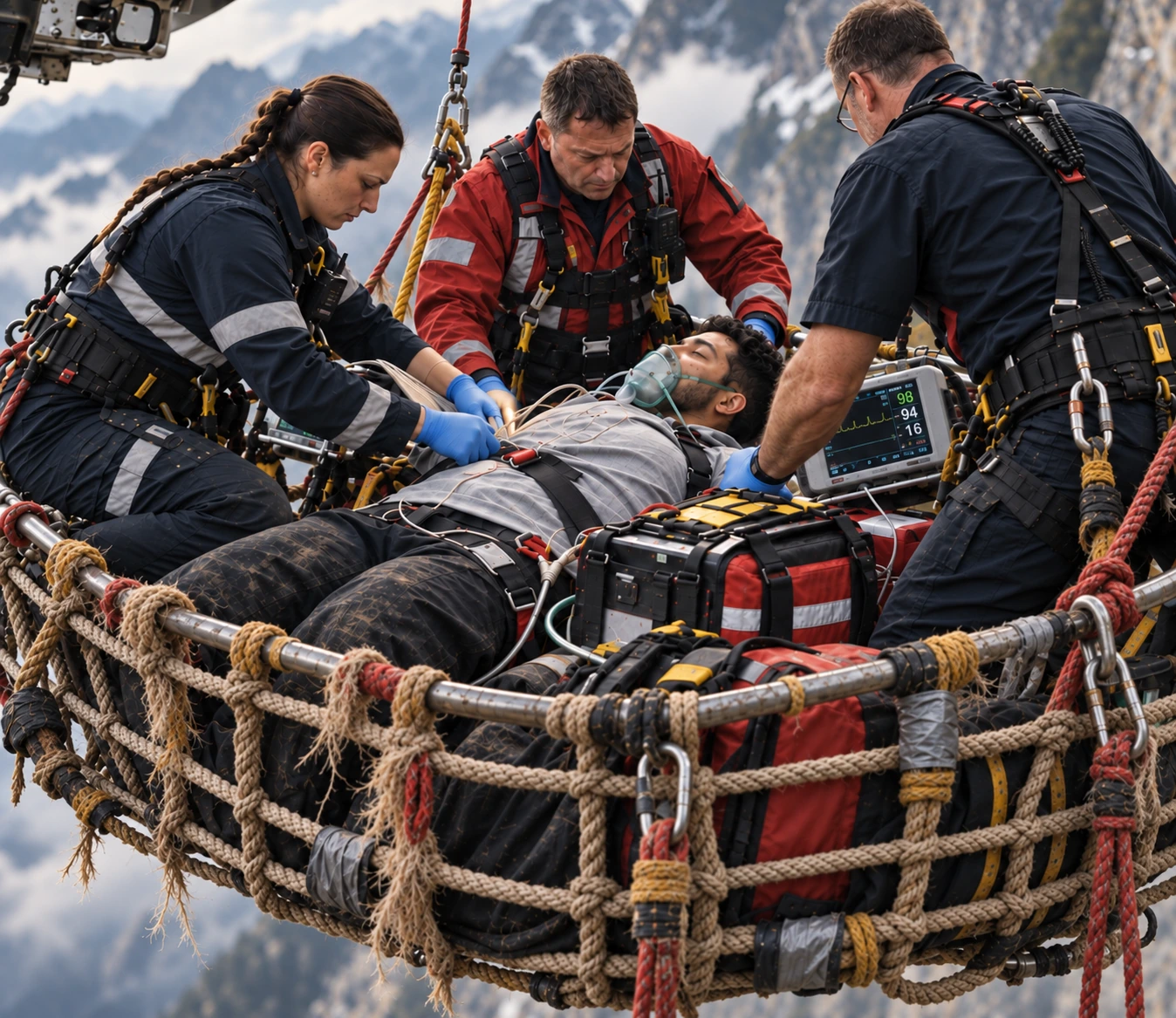
Teams keep care moving by working around problems. What becomes harder to see when the system depends on that extra effort?
Read articleStart a conversation
I’m available for consultancy and speaking engagements with services, universities and manufacturers. .
Get in touch